The three volumes move in one arc. The first returns to faith and asks what the Qur’an sounds like when it is read as a universal moral call rather than a sectarian claim. The second carries that conscience into leadership, treating authority as a trust rather than a possession. The third looks forward, to an age in which intelligence outpaces wisdom, and asks on what basis human beings will still be protected once they are no longer needed to produce value.
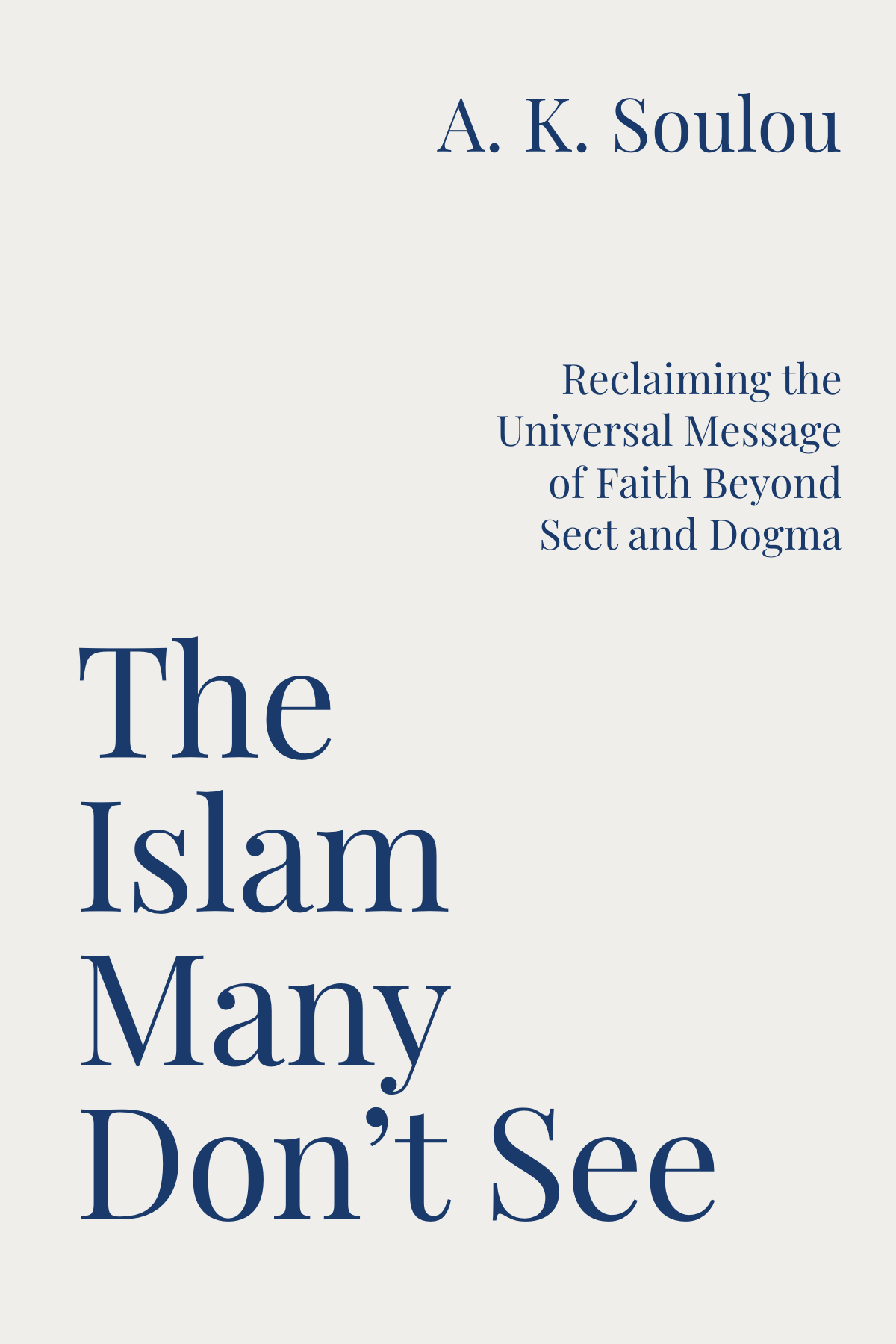
The Islam Many Don’t See
Reclaiming the Universal Message of Faith Beyond Sect and Dogma
A reading of the Qur’an as a universal moral call rather than a sectarian identity, held in dialogue with the Torah and the Gospels. It is not an argument for conversion. It is an invitation to look again.
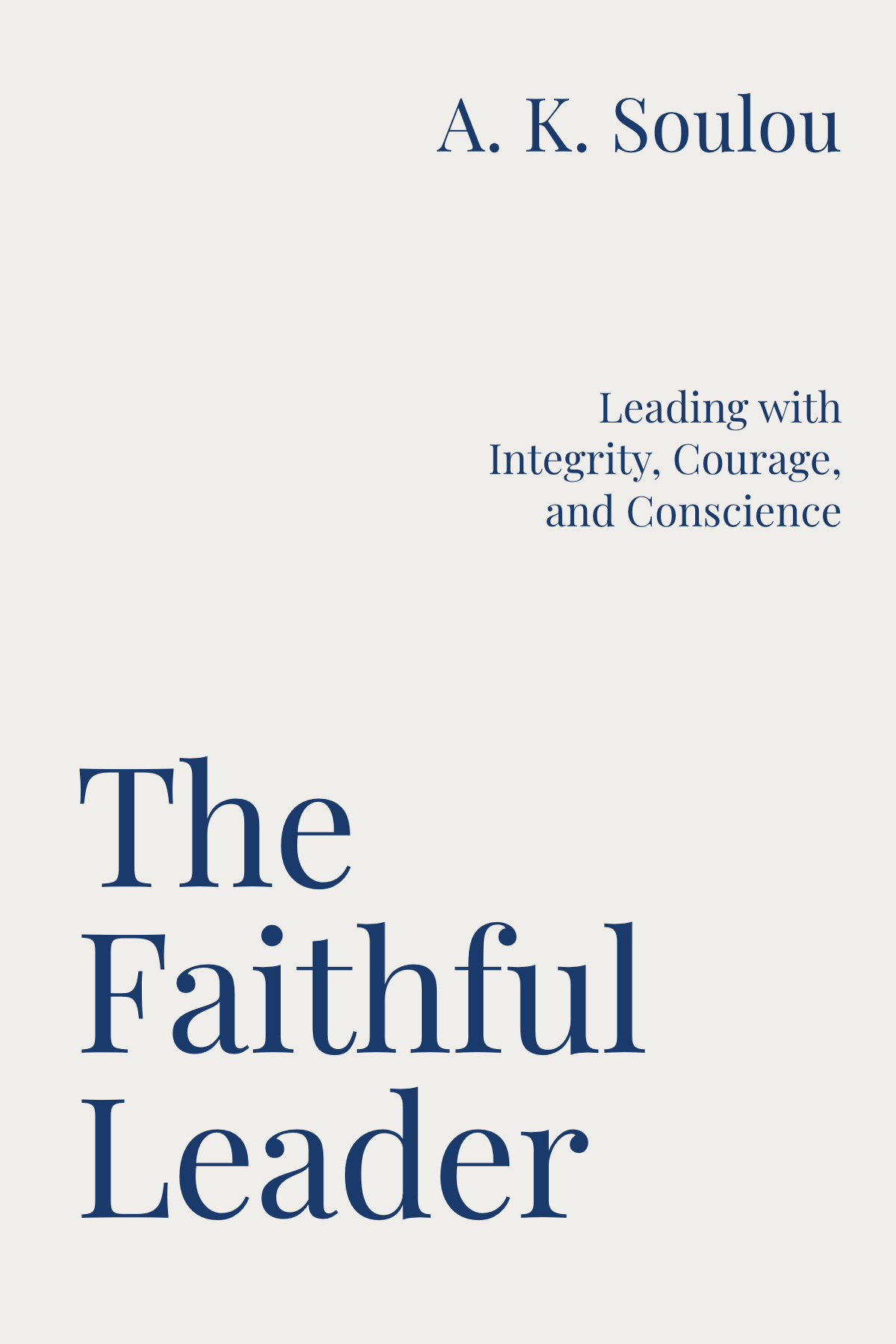
The Faithful Leader
Leading with Integrity, Courage, and Conscience
Leadership as a moral trust rather than a personal triumph, traced through five domains of responsibility: the family, the classroom, the university, public office, and the marketplace.
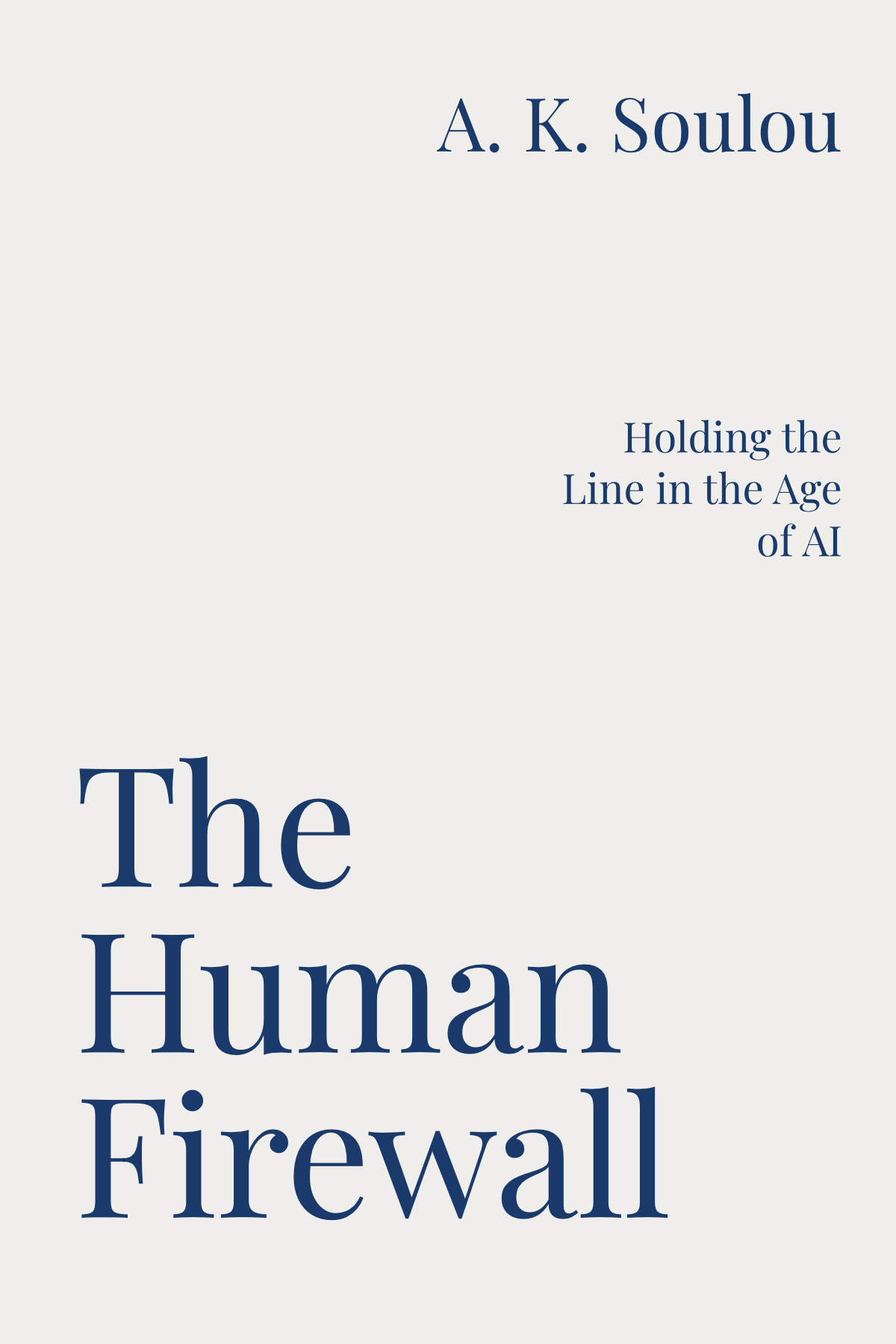
The Human Firewall
Holding the Line in the Age of AI
If humans are no longer needed to produce value, on what basis will they still be protected? An argument for covenant as the architecture that bounds power when intelligence expands faster than wisdom.
I wrote these books because the arguments mattered more than the person making them. Faith is too often reduced to belonging, leadership to advantage, and human worth to output, so I wanted to set the three side by side. A. K. Soulou is a pen name, kept not for mystery but so that the case stands or falls on its own reasoning.
Write to the author
Questions about the books, reading groups, translation and rights enquiries.